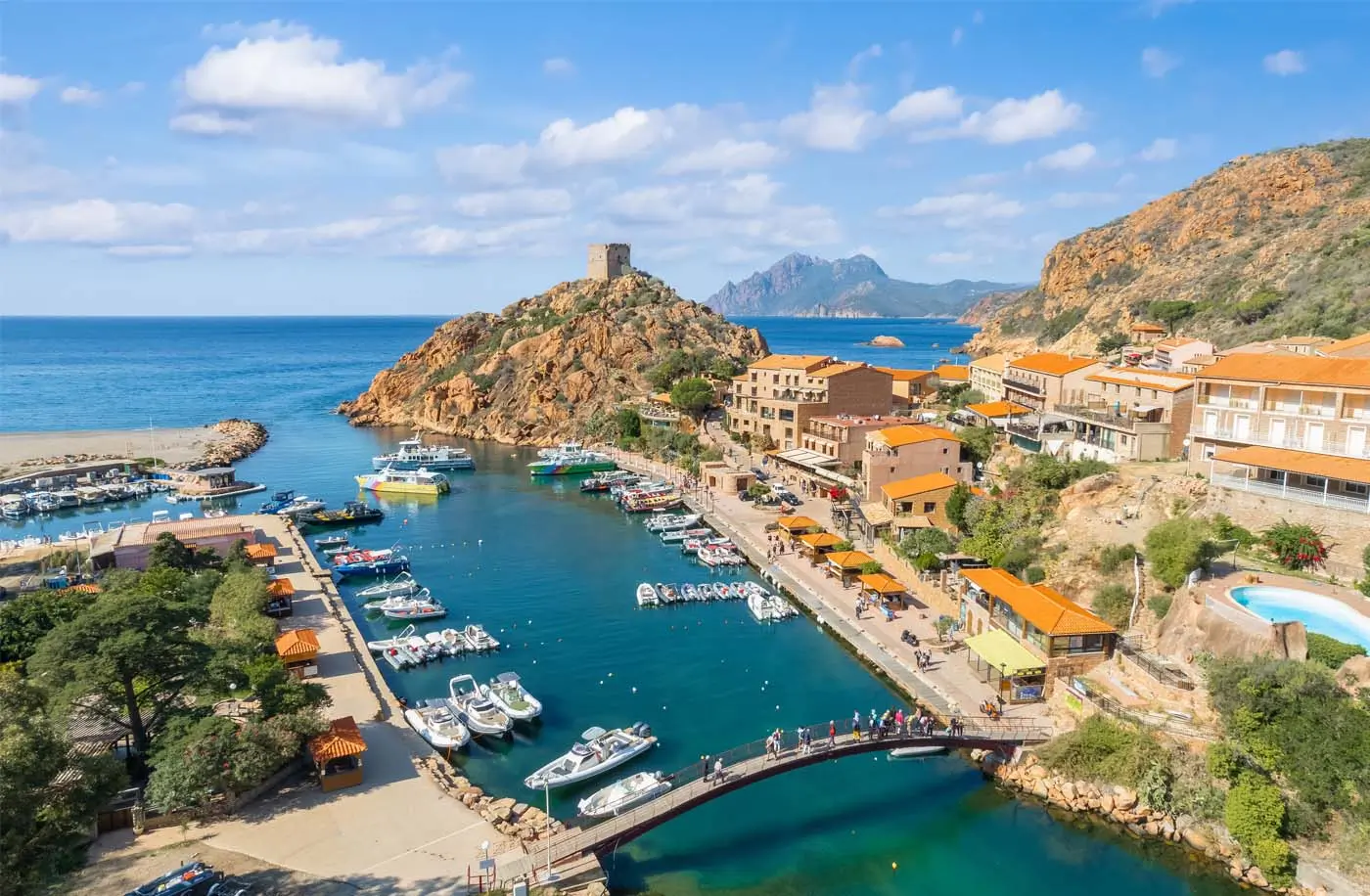
Porto Marina
15 min drive
Located at the base of the Calanques, this port serves as the primary hub for boat excursions and provides access to local dining along the waterfront.
Navigating a calanques de piana tour requires balancing land-based viewpoints with maritime perspectives. This resource outlines how to experience the steep coastal drops and complex rock formations without getting stuck in high-season traffic.
Quick answer
A standard calanques de piana tour by boat explores the coastline bordering the Gulf of Porto, while land exploration along Route des Calanques remains open 24 hours a day with a 0 EUR entrance fee. The natural site itself requires no tickets, though guided sea excursions and chartered vessels carry separate operational costs.
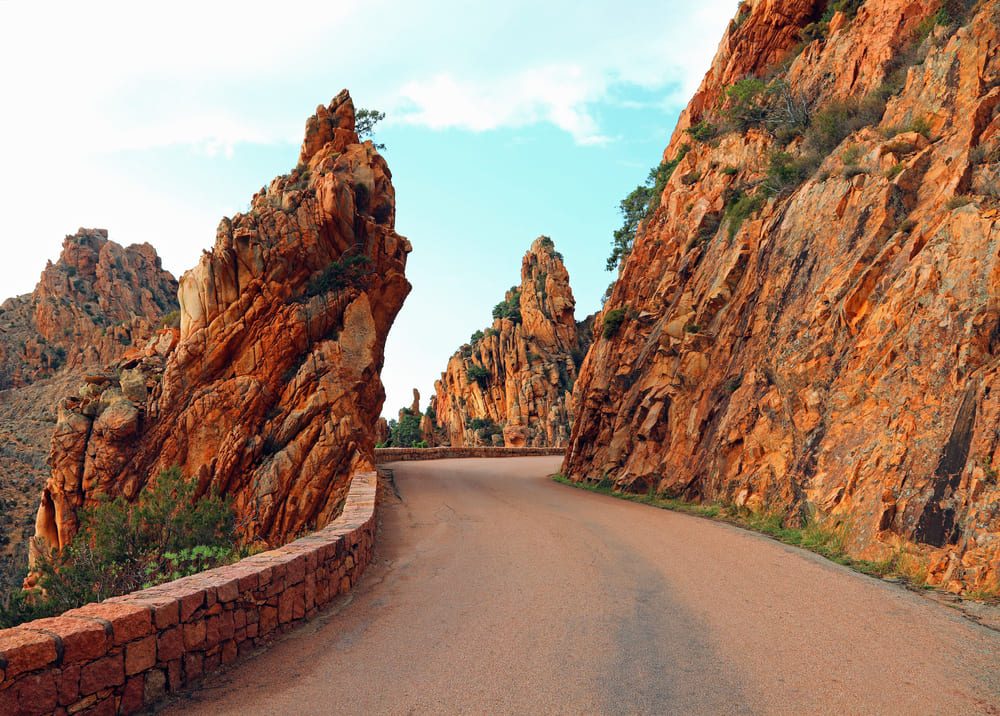
The steep red granite cliffs of this coastal stretch reach heights of up to 300 meters above the Mediterranean Sea. Formed by centuries of wind and sea erosion, the distinctive hollowed-out shapes, known to geologists as Tafoni rock formations, dominate the landscape. Visitors embarking on a calanques de piana tour encounter a topography so structurally unique that it anchors a broader UNESCO World Heritage site, which also encompasses the neighboring Scandola Nature Reserve and the Gulf of Porto. Understanding the physical layout of these jagged inlets is essential for anyone plotting a route through the region. Exploring this protected zone generally splits into two distinct approaches: terrestrial and maritime. A land-based calanques de piana guide often focuses on the winding D81 highway, which cuts directly through the stone pillars and serves as the primary artery for both motorists and hikers. While the road provides immediate, tactile proximity to the eroded structures, viewing the cliff faces from the water reveals the sheer vertical scale that remains hidden from the asphalt. Organized boat excursions departing from nearby harbors navigate the deep-water channels, offering unobstructed lines of sight to the lower caves and the prominent Capo Rosso peninsula. Beyond the complex geology, the surrounding marine environment functions as a highly regulated ecological sanctuary. The steep drop-offs harbor rich underwater biodiversity, including rare coral reefs and endemic fish species native to the Corsican coast. Because the natural monument absorbs substantial human traffic during the peak summer months of August and September, local authorities heavily monitor both vehicular movement along the cliffside roads and the frequency of commercial vessels entering the tight coves. Selecting a reputable calanques de piana tour ensures adherence to these strict environmental guidelines, minimizing the physical impact on the fragile stone formations while providing comprehensive exposure to one of Europe's most rugged coastal environments.
“Viewing the cliff faces from the water reveals the sheer vertical scale that remains hidden from the asphalt.”
The optimal time to visit the Calanques de Piana is during the early morning hours, specifically the 06:00–10:00 window. Arriving during this period helps visitors avoid midday heat and heavy summer crowds while securing better parking near trailheads.
—
This window provides the most comfortable conditions for exploring and ensures easier access to parking near the trails.
Mild temperatures ranging 15°C to 22°C
Spring offers pleasant weather for boat tours and hiking before the intense heat of peak summer.
Hot with temperatures reaching 30°C+
This is the peak tourism season, requiring early arrival to mitigate the impact of heat and high visitor volume.
Warm with temperatures 18°C to 25°C
Conditions are generally stable and more comfortable than mid-summer, providing a good balance for boat excursions.
Verdict: The best arrival window is between 06:00 and 10:00 during the shoulder seasons of May, June, or September.
This half-day sequence balances a sea-level perspective with land-based trails, suiting visitors looking to combine a boat excursion with a coastal hike. The complete route takes approximately four to five hours.
Board your reserved vessel at the harbor in Porto Ota. The excursion navigates the gulf to present the red porphyry rock formations from the water, taking around two hours.
Observe the sheer cliffs and narrow inlets near Capo Rosso. The skipper pauses near geological faults to point out distinct rock shapes carved by wind and sea erosion.
Disembark and travel up the D81 road toward Piana village. Use the designated observation areas along the roadside to examine the carved pillars from an elevated perspective.
Join the marked walking path starting near the Tête de Chien rock formation. This moderate 40-minute round trip requires sturdy footwear and ends at a panoramic observation deck.
Conclude your visit in the historic center of Piana. Walk past the traditional stone houses and the Church of Sainte-Marie before resting for a meal.
The Calanques de Piana are located on the western coast of Corsica along the Route des Calanques (20115 Piana). Access is most efficiently achieved by private vehicle or through organized boat excursions departing from nearby ports.
D81 road via Porto or Piana
Autocars Mariani from Ajaccio
Excursions departing from Porto Marina
For boat tours, head directly to the Porto Marina where most operators are centralized. If arriving by car, utilize the designated pull-offs along the Route des Calanques to access trailheads safely.
Access to the Calanques de Piana natural site is provided at no cost. Fees only apply when choosing to participate in independent boat tours or guided excursions.
Verdict: Entry to the site is 0 EUR, while total costs depend entirely on the specific boat operator and excursion length selected.
The Calanques de Piana are a natural site accessible to visitors daily throughout the year. Access remains consistent regardless of the day of the week.
The Calanques de Piana are situated along a dramatic stretch of the Corsican coastline that pairs well with other nearby maritime and historical points of interest. These locations offer a broader perspective of the island's geology and coastal heritage.
15 min drive
Located at the base of the Calanques, this port serves as the primary hub for boat excursions and provides access to local dining along the waterfront.
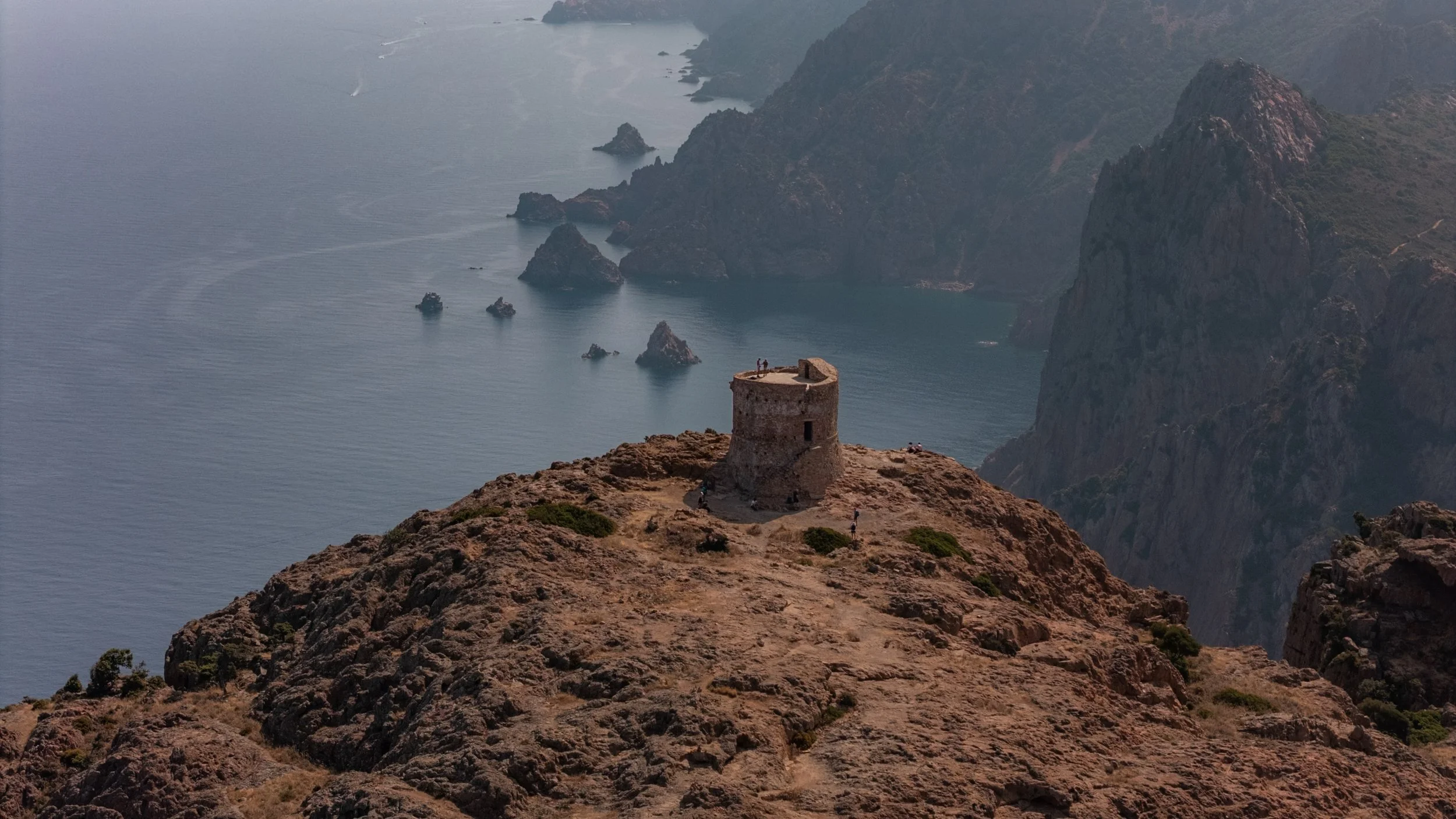
20 min drive to trailhead
This granite promontory features a Genoese tower and offers high-altitude views of the Gulf of Porto, complementing the sea-level perspectives found during boat tours.
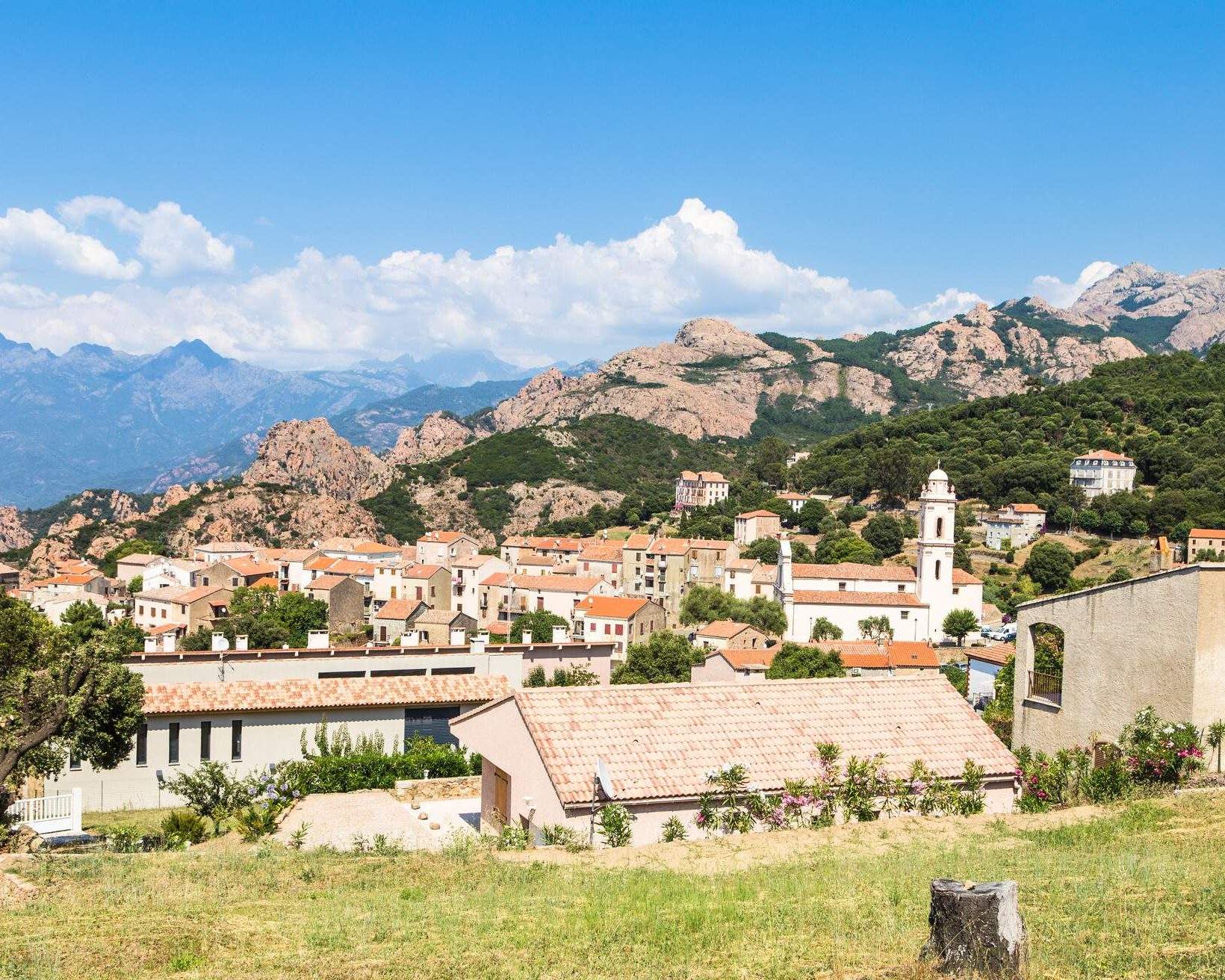
10 min drive
Perched on the hills above the rock formations, this village offers a traditional atmosphere and viewpoints overlooking the Gulf of Porto.
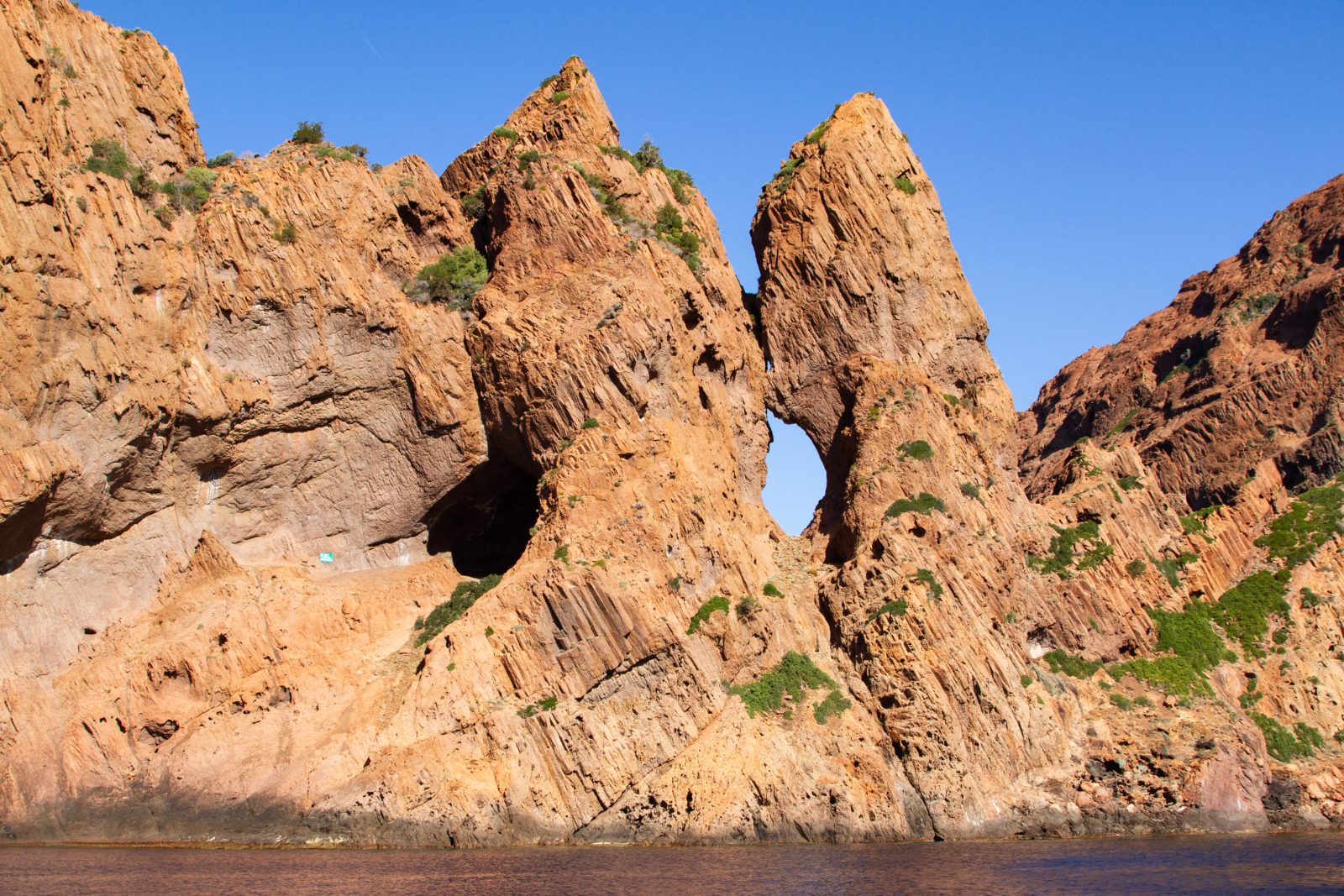
60 min by boat
This protected site is frequently visited in conjunction with the Calanques, showcasing volcanic landscapes and diverse marine life only accessible by water.
Everything you need to know about calanques de piana tour
While the natural site is open to all, booking a calanques de piana tour in advance is recommended during peak summer months to secure your preferred departure time. Many visitors choose to reserve online to ensure availability on their desired date.
There is 0 EUR entrance fee for the natural site itself, as it is a public geological area. Please note that boat excursions or professional guided services require separate payments to the respective operators.
A boat tour is the most popular way to see the red granite cliffs and Mediterranean sea caves. You can easily compare available departures to find a sea-based calanques de piana tour that fits your schedule.
Yes, the area features several hiking paths that offer a different perspective than a maritime calanques de piana tour. These trails provide access to viewpoints overlooking the Gulf of Porto and the jagged coastline.
Many operators offer private boat charters that serve as a personalized Corsica maritime excursion for groups or families. These tailored options allow you to explore the UNESCO World Heritage site at your own pace.
For your day out, bring sun protection, sturdy footwear for trails, and plenty of water. If you are heading out on the water, a windbreaker is often helpful even in summer.
Yes, you can drive to the vicinity, but parking near the trailheads is very limited. Following the recommended arrival window helps you secure a spot and avoid the heaviest traffic on the Route des Calanques.